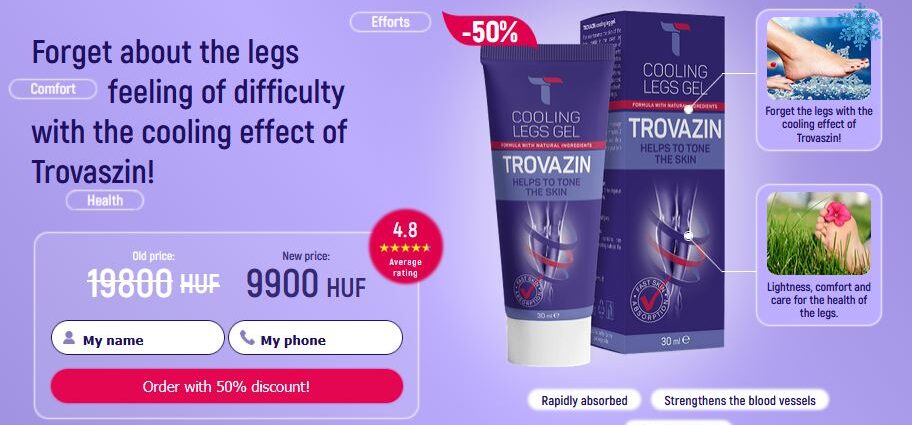
The quest for relief from varicose veins, heavy legs, and venous insufficiency has led many to discover Trovazin. This advanced gel/cream formula is designed to provide rapid relief while addressing the underlying structural issues of the circulatory system.
In this exhaustive guide, we will break down the science behind Trovazin, analyze its potent botanical ingredients, and explore why it has become a staple for those suffering from chronic venous disorders.
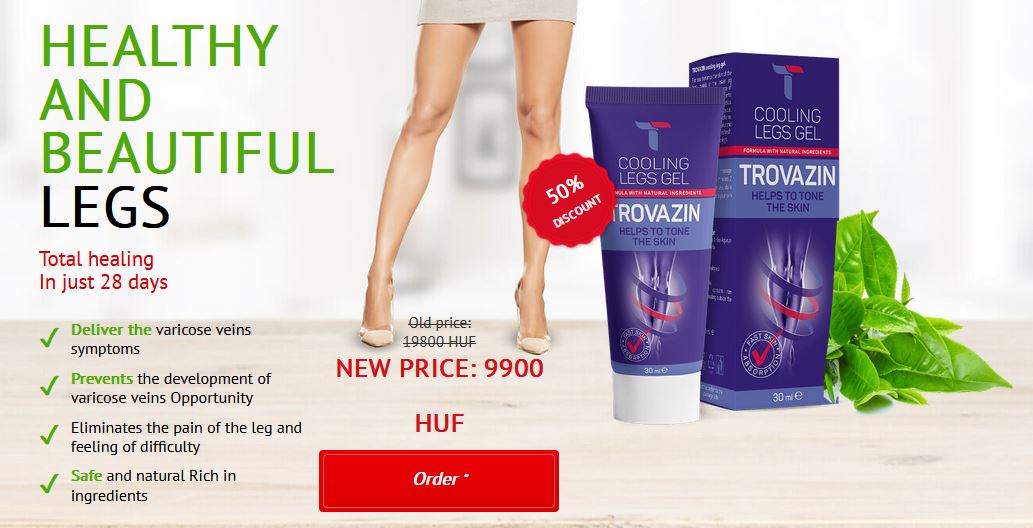
What is Trovazin? An Integrated Approach to Venous Health
Trovazin is a specialized topical treatment formulated to combat the symptoms of Chronic Venous Insufficiency (CVI). CVI occurs when the valves in the leg veins don’t work effectively, making it difficult for blood to return to the heart from the legs. This causes blood to pool in the veins, leading to swelling, pain, and the visible “spider” or “varicose” patterns.
Unlike standard cosmetic creams, Trovazin is a “venotonic” and “angioprotective” agent. This means it doesn’t just soothe the skin; it also strengthens the walls of blood vessels and reduces capillary permeability.
Primary Objectives of Trovazin:
-
Anti-Edema: Reducing the accumulation of fluid (swelling) in the ankles and calves.
-
Venotonic: Increasing the tone and elasticity of the vein walls.
-
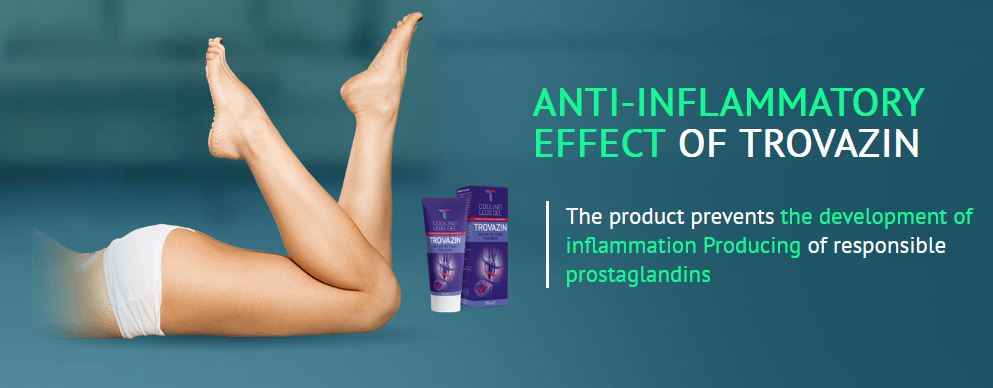
Anti-Inflammatory: Calming the “burning” and “itching” sensations associated with inflamed veins.
-
Microcirculation Enhancement: Improving the flow of blood through the smallest vessels to nourish skin tissue.
The Core Formula: A Deep Dive into the Ingredients
-
Fir Fern Extract (Adiantum spp.): This botanical extract boosts capillary strength and reduces permeability, easing inflammation and preventing edema. Its flavonoids enhance venous tone, while tannins act as natural astringents—ideal for varicose nodes. Fir fern also stimulates lymphatic drainage, accelerating toxin removal from the legs.
-
Lemon, Soybean, and Coconut Essential Oils: Lemon oil (citrus limon) provides vitamin C–rich antioxidants, protecting vessels from oxidative stress and improving elasticity. Soybean oil (rich in lecithin) nourishes the skin barrier, enhancing gel penetration, while coconut oil (capric/caprylic acids) moisturizes and helps prevent dryness during prolonged use. Together, they leave no greasy residue, maintaining a fresh feel.
-
Horse Chestnut Extract (Aesculus hippocastanum): Extracted from seeds, this potent ingredient contains escin—a venotonic compound that constricts veins, reduces leakage, and combats swelling. Studies show it improves microcirculation, preventing capillary stagnation and thrombosis risks. Clinical trials link it to 30–50% symptom reduction in chronic venous insufficiency.
-
Troxerutin: A bioflavonoid derivative of rutin, troxerutin fortifies vessel walls, decreases inflammation, and inhibits clot formation. It enhances blood flow opposite gravity by stimulating calf muscle contractions, alleviating heaviness. At 50 mg per application, it mirrors venotonics used in phlebitis therapy, with antioxidant effects prolonging vitamin C activity.
How to Use Trovazin for Maximum Efficacy?
The application method is just as important as the product itself.
-
Preparation: Clean and dry the area. If possible, keep your legs elevated for 5 minutes before application to allow gravity to drain the veins.
-
Application: Apply a small amount of gel.
-
Technique: Always massage from the bottom up. Start at the ankle and move toward the knee/thigh. This follows the natural direction of venous blood flow.
-
Frequency: For acute symptoms, apply 2–3 times daily. For maintenance, once in the evening is usually sufficient.
Potential Side Effects and Precautions
While Trovazin is a topical, natural-based product, users should keep the following in mind:
-
Skin Sensitivity: Rare cases of allergic dermatitis (redness/itching) may occur. Always perform a patch test on a small area first.
-
Open Wounds: Do not apply Trovazin to open ulcers or broken skin. It is designed for intact skin covering the veins.
-
Pregnancy: While ingredients like Horse Chestnut and Troxerutin are generally safe topically, always consult your OB-GYN before use during the second or third trimester.
Detailed FAQ: Expert Answers to Common Questions
Q1: Can Trovazin get rid of varicose veins completely?
Answer: No topical cream can “delete” a large, bulging varicose vein; those usually require surgical or laser intervention. However, Trovazin can significantly shrink the appearance of smaller spider veins, stop new ones from forming, and—most importantly—eliminate the pain and heaviness associated with them.
Q2: How soon will I feel the “cooling” effect?
Answer: The cooling sensation from the essential oils and Troxerutin is usually felt within 2 to 5 minutes. The reduction in swelling is typically noticeable after 7–10 days of consistent use.
Q3: Is it safe for people with diabetes?
Answer: Yes. In fact, many diabetics use Troxerutin-based products because they suffer from “microangiopathy” (damage to small blood vessels). Trovazin helps protect these fragile capillaries.
Q4: Does it leave a greasy residue?
Answer: No. Trovazin is formulated as a light gel-cream. Because it contains coconut and soybean oil in a balanced ratio, it absorbs quickly, allowing you to dress shortly after application.
Q5: Can I use Trovazin for hemorrhoids?
Answer: While Troxerutin (the main ingredient) is frequently used for hemorrhoids in oral or specific rectal forms, you should check the specific Trovazin packaging. If it is labeled as a “Leg Gel,” it may contain menthol or other skin irritants not suitable for sensitive mucosal areas.

The Verdict: Is Trovazin Cream Worth It?
If you are struggling with the daily “lead-like” feeling in your legs or are embarrassed by the map of spider veins on your ankles, Trovazin offers a science-backed, botanical solution. Its use of Troxerutin and Horse Chestnut puts it ahead of basic moisturizing creams, making it a legitimate therapeutic tool for vascular health.
Final Recommendation: Use Trovazin as part of a lifestyle change. Combine it with daily walking, leg elevation, and high water intake to reclaim the health of your legs.